
7 Lies the Fitness Industry Wants You to Think are True
A gorilla with a beard is flexing his muscles while wearing a tank top.
A woman is standing with her hands on her hips in a neon light.

1: Fat is bad for you/Carbs are bad for you.


Why do they want you to believe this? Because it sells diets – books, meal plans, meal consultations, specialty foods etc. Have you ever noticed how foods go through phases of being “bad” or “good” for you? Remember the Atkins Diet? The No-Fat years and all the diet foods that sprang up to support that? Keto? Bulletproof?


No whole or even minimally processed foods are inherently “bad” for you. Or “good” for you. The only exception is if you, personally, have an allergy to a food. Then, duh, you shouldn’t eat that – it’s bad for you.


The key to all things is moderation. Eat too much of anything and there will be side effects. Even vegetables. True, it’s unlikely you’ll gain weight from eating too much broccoli, but your digestive system will likely raise some objections.


Over the years fad diets have demonized every kind of food at some point. The truth is this: if you eat more calories than you use you will gain weight. If you get all of those calories from highly processed foods you are likely to have other issues as well due to not getting the micronutrients your body needs and possibly some other nasty things your body doesn’t need.


You do not need to cut out all carbs or all fat or even all sugar. To be healthy, consume all things (even junk food!) in moderation and you’ll be fine. If your goals are fat loss, how you eat will need to be more specific but you still shouldn’t be eliminating an entire macronutrient group.
Your body needs fats and carbohydrates and protein to function properly. A lack of balance in your macronutrient consumption can cause issues for your body, especially in terms of hormone production.


2: You can out-exercise a bad diet


Why do they want you to believe this? Because it sells gym memberships, fitness regimens, magazines, books, fitness equipment and much more. If they keep you believing you can get the body of your dreams if you just try this one thing, they can keep selling you new magic solutions.

The number of calories you can use through exercise is much less than you can easily eat. A “bad diet” usually means eating a lot of highly processed foods and foods high in sugar and fat (which makes them high in calories) and low in essential nutrients.


Unless you’re a high-level athlete who spends the majority of their time training in a sport, most of your day probably involves little rigorous movement. Spending one hour (or even two or three) in the gym isn’t going use more calories than will be consumed eating lots of food and beverages high in sugar and fat.


3: You must eat less to lose weight.


Why do they want you to believe this? Because it sells diets and diet products. Thousands of books, programs, diet plans, and products have been sold promising to make eating less food easy. Shakes that will keep you feeling full all day. Simple tricks that will do the same.


The truth is, yes, a calorie deficit is usually necessary for fat loss. However, what that means is much more complex than just constantly eating less. Have you tried a diet, lost weight, and then had it all come back – and bring friends? That’s what happens to most people on most diets with a steep calorie deficit. Eating too little causes the body to think there’s a food shortage and go into self-preservation mode. It starts using less energy and holding on to that stored energy because it thinks there’s a famine and that you’re gonna need those fat stores to survive.


Constantly eating too little is usually what’s behind
“yo-yo dieting”. Sometimes it is necessary to eat more than you’ve been told you should by the diet industry in order to get your body to the point it’s willing to burn those fat stores.


4: How much you sweat is the measure of a good workout.


Simply put, it’s not. You can walk outside on a hot day and be drenched in sweat. Does that mean you got a hard workout in? No. It means it’s hot outside and your body is trying to cool itself.


When you exercise, when it’s hot outside, when you’re stressed etc., your body heats up. To cool down, your brain tells your sweat glands it’s time to get to work. When you sweat, the water on your skin evaporates (turns from liquid to gas), which cools your body by taking some of the heat with it. This helps lower the body’s temperature and keep you from overheating.


So, yes, a hard workout can make you hotter, which can make you sweat more. BUT. Sometimes a hard workout won’t make you sweat a lot. That doesn’t mean it wasn’t hard and it definitely doesn’t mean it wasn’t beneficial. All it means is your body didn’t feel like it needed to cool you down during that workout.


Why do they want you to believe this? It sells workouts that are easy to mass produce. If all you have to do is get people to sweat, all you have to do is make them move around a bunch. Moving around a bunch is great, but it’s not a full-spectrum workout. Designing workouts that increase fitness in all energy pathways of the body is much harder If you want to get strong, you’re going to have to do more than run around like a hamster. Building strength and skill can mean slowing down, which can mean you don’t sweat as much.


5: More sweat means more fat-loss.


More sweat does not mean you are losing fat faster. It just means you’re sweating more. Yes, you will weigh less after a super sweaty workout – but only temporarily. The “weight loss” experienced right after you sweat a lot is just water loss. You haven’t lost fat. You’ve just gotten less hydrated. Once you rehydrate that weight will be back. 


You may have heard that when fat is burned it leaves the body via sweat and exhalation (breathing out). That is true. But it is important to understand that while those are the ways fat exits the body when your body is done with it, that is NOT what causes the body to use fat it has stored.


Water and soap are very effective at cleaning your dishes, but just pouring water and soap down the drain while the dishes sit on the counter isn’t going to get those dishes clean. Most of the time when you’re breathing and sweating, your fat stores are like those plates on the counter – not involved in the process. A number of other things have to occur to convince the body to burn fat. If all it took was breathing more and sweating more, fat loss would be easy.


6: Lose weight fast with one easy _____ (supplement, trick, piece of equipment etc.)


Losing fat is hard. Anyone who says differently is selling something. If any of these quick easy tricks worked, EVERYONE would use it and the inventor would a bazillionaire.


Your body is designed for survival. Back in the olden days, food (energy) was frequently not guaranteed and/or took a lot of work to acquire and consume. This means the human body got really good at storing the energy provided by food so it could use it later if needed.


7: Targeted fat-loss is possible.


It is not. We all wish it was, but it is not. Doing more sit-ups will not burn fat from your abs faster. Running will not target the fat stored in your legs first. 


Your DNA decides where you store fat and where you lose fat from first. A special cream will not help lose fat from one place faster than another any more than electric shocks or vibrating bands will. The sad and unfortunate truth is we have no control over where we lose fat from. Most of the time fat loss happens in a general overall process.

A woman is sitting at a kitchen counter with a bowl of fruit and vegetables.
July 2, 2025
Build healthier eating habits in 7 days with simple daily tweaks to your environment—no willpower needed. Make smart food choices feel automatic and easy.
A man and a woman are sitting on an airplane eating food.
June 27, 2025
Stay on track while traveling with 5 smart nutrition tips. Learn how to eat well on flights, in hotels, and during road trips—without stressing or sacrificing fun.
A woman is sitting at a table with her family eating thanksgiving dinner.
June 27, 2025
Enjoy the holidays without guilt! These 7 simple nutrition tips help you stay on track, eat mindfully, and still indulge in your favorite festive foods.
A woman is sitting at a desk eating a piece of jerky.
June 27, 2025
Ditch the vending machine! Discover quick, high-protein desk snacks you can stash, prep, or heat—perfect for busy pros focused on muscle gain and fat loss.
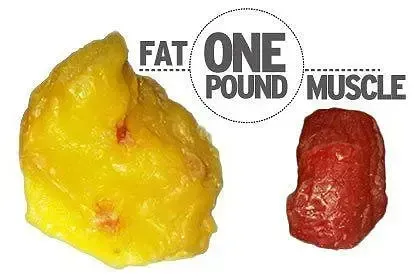
Visual comparison of 1 lb of fat vs 1 lb of muscle, highlighting fat as larger and yellow, muscle as smaller and red.
June 27, 2025
Let’s cut through the noise: if you’re trying to lose fat and all you’re doing is cardio, you’re making it way harder than it needs to be.We’re not saying cardio is bad. Walking, biking, sweating it out on the treadmill — that’s all great. But if your main goal is to burn fat, look toned, and actually feel stronger, you’ve gotta start lifting some heavy stuff. Here’s why muscle is your fat loss cheat code — and why your spin class alone just isn’t gonna cut it. Muscle Burns Fat Even When You’re Doing Nothing Muscle is like a tiny fat-burning engine. The more of it you have, the more calories your body burns all day long — even when you're just sitting at your desk. Cardio burns calories while you’re doing it. But muscle? That keeps your engine revving 24/7. That means you’re literally turning your body into a fat-burning machine, just by having more muscle on it. “Skinny Fat” Is a Real Thing (And You Deserve Better) Ever felt like you're “thin” but still soft around the middle? That’s called skinny fat — low muscle, high body fat. And guess what fixes it? Strength training. Lifting weights builds lean muscle, which not only makes you look tighter and more defined, but it also helps you drop fat in all the right places. No more looking “meh” in clothes that technically fit. Muscle Makes You Look Toned — Cardio Doesn’t When people say they want to look “toned,” what they really mean is lean muscle and less fat. That comes from: Strength training Eating enough protein Losing fat without losing muscle Doing just cardio can leave you feeling smaller, but not necessarily stronger or more confident. Muscle gives you shape, definition, and curves in all the right places. The Scale Might Lie — Your Jeans Won’t Muscle weighs more than fat — but it takes up less space.So yeah, you might not see the number on the scale drop as fast if you’re lifting, but your clothes will fit better, your waist will shrink, and your butt will perk up. Stop chasing skinny. Start chasing strong . Takeaways (Because You’re Busy) Cardio is cool, but muscle is the real MVP Strength training = burn more fat while doing less You won’t get bulky. You’ll look leaner and feel stronger The scale isn’t the goal — your strength and shape are If you want to actually keep the weight off, build muscle Ready to Ditch the Diet Yo-Yo and Actually Feel Strong? We help real people with real lives (hi, Microsoft & Amazon folks 👋) lose fat, build muscle, and feel good in their bodies — without living at the gym. Book a Free Nutrition Consult Local to the Eastside? Hit Get Started on the top right of this page. Let’s make fitness work for your life.
A glass container filled with rice , chicken , and peppers with a spoon in it.
June 27, 2025
Hate meal prep? Learn how to prep a week of high-protein, fat-loss-friendly meals in just 1 hour—no chef skills, rules, or fancy containers required.
A man and a woman are standing next to each other in a gym.
June 20, 2025
Tired of losing weight and gaining it back? Learn why yo-yo dieting fails, how it harms your body, and what sustainable fat loss strategies actually work.
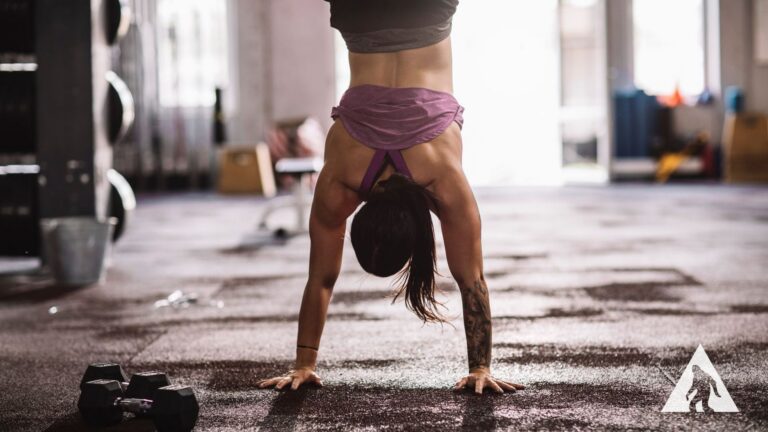
A woman is doing a handstand in a gym.
October 6, 2023
Even if you don’t care if you ever do one! As an adult, being able to do a handstand may seem like nothing more than a cool party trick. However, working on the skill and strength to do a handstand has many benefits. Here are six reasons you should work on the skills and strength required to do a handstand – even if you don’t care if you ever do one! 1. Upper Body Strength: Practicing handstands will place significant load on your arms, shoulders, chest, and upper back muscles. Holding your body weight in an inverted position requires a lot of strength in all these areas, so working on handstand skills will build strength in all those muscles. 2. Core Strength: Handstands require engagement of every muscle from fingertips to toes, but especially require intense engagement of your core muscles. Working towards a handstand will build strength for a strong and stable core. If you’re reading this, it’s safe to assume you’re interested in increasing your overall strength and fitness as well as why that’s important outside of the gym. A solid core is good for so much more than visible abs. Core muscles, generally considered everything between your hips and shoulders, are key players in, well, just about everything you do in life. A strong core can improve your posture and reduce the risk of back injury and pain. 3. Body Perception (proprioception): Training a handstand will train your proprioception, which is your sense of where your body is and what it’s doing. The subtle adjustments your body will learn how to do will increase your body-awareness help you be more coordinated. Being more aware of how your body moves through space helps prevent things like trips and falls and makes it easier to learn other new skills. 4. Balance: Handstands challenge your vestibular system, which is responsible for balance and spatial orientation. Training for handstands will strengthen that system by making it learn how keep you balanced while upside down. Improving balance can reduce the risk of falls, particularly in older adults. Falls are a common cause of injuries and fractures, and balance training helps enhance stability, reducing the likelihood of accidents. The earlier in your life you start training good balance, the more likely you are to retain it as you get older. 5. Muscular Control: Achieving and maintaining a handstand requires precise control of your muscles. Training towards being able to do a handstand will teach you to engage and relax various muscle groups to stay upright. Muscle control is an important part of coordination and balance. The better your conscious muscle control is, the better your unconscious muscle control is. 6. It’s Good for Your Brain: Building muscle strength is important, but strengthening your brain is also very important. Learning new skills is like giving your brain a special workout. It helps your brain become better at remembering things, solving problems, and learning new stuff. Learning to be upside down – including all the progressions to learn to be upside – make your brain do some heavy lifting in terms of learning. You have to develop all sorts of pathways in your brain to learn the balance and muscle control needed to hold yourself upside down. There you have it. Six reasons working on progressions for handstands will help you get stronger, live longer, and be healthier doing it! Even if you never even do a full handstand. And you never know, you might surprise yourself and end up doing that handstand you didn’t think you’d ever be capable of after all. Crazy things can happen when work on build up strength and confidence.
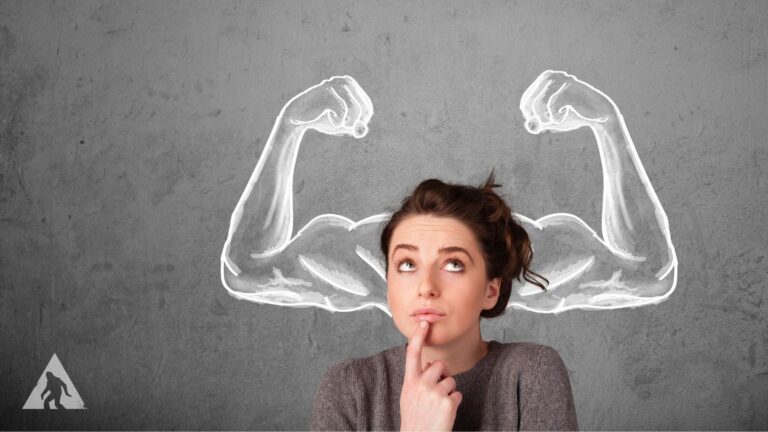
A woman is looking up at a drawing of muscles on a wall.
October 6, 2023
Why Lifting Weights Is for Everyone Will lifting weights make you look bulky? Short answer: No. Long answer: Also, No. Gaining significant muscle mass is hard. The athletes and bodybuilders you see with large muscles have put a lot of time, energy, and specific training into developing those muscles. Have you seen The Rock’s workout/eating routines??? Weight training for strength and general fitness is not going to have those kinds of results. What WILL happen when you use weights in your fitness training? You’ll feel stronger and be able to do more physical activities than before. You’ll probably feel your muscles get firmer. You might see some changes in the shape of your body as those muscles get firmer. But those changes usually are a tightening and lifting effect, NOT a bulking effect. Weight training in general fitness workouts is looking to generate strength gains not muscle size gains. Increasing muscle size significantly takes very focused and specific training. Strength gains, however, can, and usually do, occur without a significant increase in muscle size. So, unless you’re going to start eating and training like a body builder, you don’t need to worry about training with weights making you “bulky”. Lifting weights has also has many benefits beyond anything related to appearance. Here’s five things strength training with weights can do for you: 1. Improve Bone Health: Strength training places stress on your bones, which stimulates bone remodeling and increases bone density. This is especially beneficial for preventing osteoporosis and reducing the risk of fractures as you age. 2. Enhance Metabolism: Building lean muscle mass through strength training can raise your resting metabolic rate (RMR). Muscle tissue burns more calories at rest than fat tissue, which can aid in weight management and improved energy expenditure. 3. Better Joint Health: Proper strength training can help stabilize and strengthen the muscles around your joints. This added support can reduce the risk of joint injuries and improve joint function, particularly in areas like the knees and shoulders. 4. Enhanced Functional Fitness: Strength training improves functional strength, making it easier to perform everyday activities like lifting groceries, carrying children, and climbing stairs. This can lead to greater independence and improved quality of life, especially as you age. 5. Mental Health Benefits: Regular strength training has been shown to reduce symptoms of depression and anxiety, enhance mood, and improve overall psychological well-being. Exercise releases endorphins, which can have a positive impact on your mental health. Lifting weights offers a wide range of health benefits. It can help you build a stronger, healthier body, improve your physical capabilities, and enhance your overall quality of life. These benefits make strength training a valuable component of a well-rounded fitness routine.
A blue counter with a red arrow pointing to the number 0365 on a black background.
October 6, 2023
The Importance of Rest in Your Fitness Routine It is a common misconception that you need to do hard strenuous workouts every day in order to make progress towards your fitness goals. Why does this misconception exist? Here’s five reasons that play into that misconception. 5 Things that promote the misconception you need to work out strenuously every single day: 1. Fitness Industry Promotion: The fitness industry, including gyms, trainers, and even some fitness influencers, often promote the idea that daily workouts are essential. They may emphasize daily exercise to encourage more gym memberships, personal training sessions, or sales of workout programs and equipment. If someone (besides your doctor) is telling you need to do intense exercise every day, they’re probably trying to sell you something. 2. Misinterpretation of Intensity: People often equate daily exercise with higher intensity or more effort, believing that working out more frequently will lead to faster results. In reality, not taking time to recover leads to working out at a much lower intensity and slower or no results. Intensity is how much effort you put into a workout. If you’re not giving yourself time to recover your body is staying fatigued and you’re probably moving slower and using lighter weights than if you were recovered. Hitting a workout with as much effort as you’re capable of (speed, weight, skill etc.) and then making sure to recover so you can do the same thing next time will lead to faster results than working out with very little intensity every day. 3. Lack of Understanding of Recovery: Most people are not aware of the importance of rest and recovery in the fitness equation. They believe that continuous exercise is the only way to achieve their goals, without recognizing the significance of allowing the body to repair and adapt. 4. Influence of Popular Culture: Movies, TV shows, and media often depict fitness enthusiasts and athletes training intensely every day to achieve their goals. These portrayals can create unrealistic expectations and perpetuate the idea that daily workouts are necessary 5. Fear of Losing Progress: Some people fear that taking a day off from exercise will lead to a loss of progress. They may worry about gaining weight or losing muscle if they don't work out every day. This fear can drive the belief that daily exercise is a must. Daily strenuous exercise is not necessary, and in many cases, it can be detrimental to progress and overall health. Quality Over Quantity. The quality of your workouts is more important than the quantity. Doing fewer workouts but making sure you get the intended stimulus out of every single one will get you more progress than working out every day but going too slow or too light. A small caveat here: you still need to work out on a regular basis to make progress. Only doing one workout a week is not going to be enough. However, every other day or two or three days on and then a rest day or something like that is sufficient. If you’re hitting 3-4 workouts a week and doing them at the intended intensity, you will make progress. Recovery is Essential. As mentioned earlier, recovery is crucial for muscle repair, adaptation, and injury prevention. Exercise causes stress on the body, that stress is what causes the body to develop new muscle tissue and cardio and respiratory strength. If the body is not given a chance to recover and heal the stress from exercise, it can’t do those things. If it can’t do those things you will not see progress in the gym. In summary, the belief that daily exercise is necessary for progress is a misconception. Rest and recovery are integral parts of any effective fitness program. A well-balanced approach that includes rest days, good nutrition, and allows the body to recover is essential for long-term progress, injury prevention, and overall well-being. Yes, doing some sort of physical activity every day is good for your body, but it neither needs to be nor should be high intensity all the time. Taking a walk qualifies as physical activity. Gardening qualifies as physical activity. Chasing your kids around to get shoes on their feet can qualify as physical activity. A balance of high intensity workouts and recovery is what will get you the best fitness results.
Show More